

When Legacy Meets Opportunity

March has a way of bringing clarity in ranch country. Calving is underway. Pastures are greening up. Fences get checked. Tax conversations start. And around many kitchen tables, families quietly ask a question that isn’t easy but is increasingly common:

What is the right next chapter for this land?

For many large farm and ranch families, 2026 is shaping up to be a year of transition. Land values remain historically strong in much of the Plains and Midwest. Buyer demand for quality acres—especially contiguous tracts with water, access, and production history—continues to outpace supply. At the same time, estate planning, rising input costs, and generational shifts are pushing long-postponed decisions to the forefront.

The Reality Many Families Face

Most legacy properties are no longer owned by one decision-maker. They’re owned by siblings, cousins, or multi-generation partnerships with different goals, timelines, and financial needs. Some heirs live on the land. Others live three states away. Some want to hold forever. Others need liquidity now.

Traditional listings often struggle in these situations. They can drag on, create uncertainty, and quietly strain family relationships. And when a property is truly unique, it only takes one serious buyer to set the market—but finding that buyer requires reach, urgency, and the right process.

Why More Ranch Families Are Considering Auction

Auction isn’t about “giving land away.” It’s about creating a transparent, competitive market on your timeline. When done correctly, it:

  • Brings all serious buyers to the table at once
  • Establishes true market value, not guesswork
  • Creates a defined sale date families can plan around
  • Treats every bidder fairly and openly
  • Turns years of “maybe someday” into a clear outcome

Just as important, it gives families closure. Sellers know the property was exposed to the full market and given every chance to bring its best value.

March Is a Strategic Time to Start the Conversation

Spring is when buyers start positioning for the year ahead. 1031 exchange buyers are active. Operators look to expand. Investors watch for quality ground. Wildlife and recreational buyers plan for fall.

Starting now doesn’t mean selling tomorrow. It means understanding your options while the market is working in your favor.

A Personal Note to Landowners

If your family has owned land for decades, you’ve already done something remarkable. You’ve stewarded a piece of Oklahoma, Arkansas, Texas, Kansas, or wherever your roots run. That deserves respect—and a selling strategy that honors the land and the legacy behind it.

Even if you’re only curious, a confidential conversation can bring clarity. No pressure. No obligation. Just straight talk about what your property might command and what a sale could look like.

Your Next Step

If selling has crossed your mind—even once—let’s visit.

📞 Call Eric or Ronn for a private, no-pressure discussion about your land, your goals, and your timeline. The right information today can protect your options tomorrow.

Your legacy land deserves a legacy-level strategy.

What Makes Auction Ideal for Highway Land Sales

What Makes Auction Ideal for Highway Land Sales

Buyers Are Looking for Land Like Yours — They Just Don’t Know How to Reach You.

In rural areas, there are trucking companies, investors, and developers actively searching for highway-access land. The challenge they face isn’t demand — it’s access.

The demand for new privately developed truck storage yards is real and growing. The U.S. trucking industry continues to face a nationwide shortage of safe, legal truck parking. Currently only about 1 parking space exists for every 11 truck drivers nationwide, a gap that’s ranked as one of the industry’s most critical concerns.

Land parcels of 2-40 acres are ideal for storage yards provided they are located within 1-mile of rural highway access. Small yards of 2-5 acres are common while larger fleet yards may require up to 40 acres.

Yard operators and investors are aggressively searching for strategic yard locations, access points, and acreage that fit their needs. At the same time, many landowners who might consider selling simply aren’t easy to track down as they may think.

These buyers look at your land differently than they did just five years ago. Trucking companies need yards now. Storage operators need more yard space. Investors want corridor property. Developers and neighbors look for strategic control.

Marketing your property at auction creates urgency among this specific and competitive buyer pool. Traditional listings often miss this audience because realtors tend to list your land and wait for residential or broad commercial audiences to come to them.

The result? Trucking companies, yard operators, investors and developers have no way of knowing the land they urgently need is for sale. It simply isn’t marketed to them.

It’s a disconnect in the market… and a missed opportunity for landowners like you who may not realize that motivated buyers already see potential — even if you haven’t thought about selling.

If you own land near a highway or major route, you may be holding something more valuable than you realize. Your risk isn’t lack of value. It’s unknowingly missing an opportunity, underselling by marketing to the least profitable audience(s), or waiting too long and missing a strong market window. Land auctions solve these problems for landowners and buyers.

Why Auction Works for Highway-Adjacent Land

Auction brings all serious buyers to the table at the same time. Instead of guessing at a list price or negotiating with one buyer behind closed doors, the market speaks openly and competitively. Auction offers:

  • Clear sale timeline
  • No drawn-out negotiations
  • Competitive bidding from multiple buyer types
  • Ability to sell in parcels, combinations, or as a whole
  • True market-driven price discovery

Trucking companies, yard operators, investors and developers tend to move with urgency. They value certainty, defined timelines, and clean transactions. Auction delivers all three, matches their mindset and creates momentum sellers simply can’t get with a realtor.

Through auction, the sale date is known. Terms are clear. Decisions are made without prolonged negotiations or stalled contingencies. For sellers, that means less holding time and fewer unknowns.

Parcel flexibility further strengthens results. Through auction, land can be offered in individual tracts, combinations, or as a whole. This opens the door to smaller operators and larger buyers at the same time, increasing competition without forcing the seller into a single outcome.

Zoning flexibility, often seen as a hurdle in traditional listings, can become an advantage in auction. Buyers who understand local regulations are willing to bid based on opportunity, not speculation. Sellers avoid overpromising future use and let the market price the potential honestly.

Experience Matters

CJ Auctions has deep experience selling land where agriculture, logistics, and investment demand overlap. We focus on clarity, preparation, and disciplined execution that gives buyers confidence and sellers strong results.

You’ve worked hard to build and hold your land. When the time comes, the sale method should work just as hard for you.

What’s Your Property Worth?

If you’ve ever wondered what your land might bring in today’s market — or whether auction could unlock more value than a traditional listing — it costs nothing to have a conversation.

📞 Call Eric or Ronn to learn what’s possible.

Unlocking Hidden Value in Your Lake Assets

Lessons from Marina Del Rey & South Shore Auctions

Around Grand Lake O’ the Cherokees, lake property has always been desirable. Water access, views, and lifestyle appeal create natural demand. But in today’s market, demand alone isn’t what separates an average sale from a standout result. Preparation does.

Recent CJ Auctions successes at Marina Del Rey, South Shore, and other Grand Lake locations show how thoughtful groundwork—paired with the auction method—can significantly change how buyers engage and how aggressively they bid. Under the guidance of Eric Johnson and Ronn Cunningham, sellers are often discovering value that traditional listings never surface.

Start With the Waterfront

For Grand Lake buyers, water access isn’t a bonus. It’s the starting point.

Before auction, CJ Auctions works with sellers to clarify dock rights, review permitting, and assess the condition of slips, lifts, and walkways. Even modest shoreline cleanup or stabilization can make a meaningful difference. At South Shore, properties that addressed dock access and usability ahead of time consistently drew stronger interest from buyers looking for a property they could enjoy immediately.

This level of presentation turns “nice lake property” into a must-see asset for serious buyers.

Remove Uncertainty Before Buyers Ask

Nothing slows bidding like unanswered questions.

Lake properties—especially those held for decades—often come with survey gaps, shared access, or outdated utility records. Eric and Ronn encourage sellers to resolve these items early by confirming boundaries, documenting easements, and addressing title issues before marketing begins.

At Marina Del Rey, providing bidders with a clean, verified information package created confidence. That confidence translated directly into faster bidding and stronger final prices.

Make the Lifestyle Easy to See

Buyers don’t just purchase land at Grand Lake. They buy a way of living.

Simple improvements often have an outsized impact. Clearing brush to open lake views, defining drive entrances with gravel, adding subtle outdoor lighting, or cleaning up walkways helps buyers picture weekends, guests, and quiet mornings by the water.

Properties with clear access and visible sightlines consistently draw more traffic at previews and hold attention longer on auction day.

Present the Property Like a Premium Asset

How a lake property is presented matters.

CJ Auctions builds professional auction packages using drone footage, detailed mapping, lifestyle photography, and clear narrative descriptions. For Marina Del Rey and South Shore, this included shoreline visuals, water-depth context, proximity mapping, and well-defined parcel options.

That level of presentation doesn’t oversell. It informs. And informed buyers bid with confidence.

Turning Preparation Into Competition

Your Grand Lake property is more than shoreline footage and acreage. When prepared correctly, it becomes an asset buyers compete for, not one they hesitate over.

Recent auctions prove that when sellers partner with CJ Auctions—and work early with Eric Johnson and Ronn Cunningham—the result is often stronger engagement, clearer momentum, and outcomes that exceed expectations. Preparation doesn’t just protect value. It reveals it.

📞 Call Eric or Ronn to learn what’s possible.

What Rural Land Buyers and Sellers Need to Know About Real Estate Auctions

Real estate auctions are becoming an increasingly popular method for buying and selling property—especially rural land. Whether you’re a landowner looking for a fast, competitive sale or a buyer searching for value and transparency, understanding the auction process is essential to making informed decisions.

What Is a Real Estate Auction?

A real estate auction is a public sale of property conducted by a licensed auctioneer. It’s a streamlined process used to sell everything from farmland and recreational plots to homes and commercial tracts. Auctions can be held in person, online, or as hybrid events.

Types of Real Estate Auctions

  1. Absolute Auction – The property is sold to the highest bidder regardless of price, ensuring a sale.
  2. Reserve Auction – A minimum acceptable price is set. The property only sells if bidding meets or exceeds this amount.
  3. Foreclosure Auction – Typically held by lenders when an owner defaults on a mortgage. These are often “as-is” sales.

Why Buyers Choose Auctions

  • Competitive Pricing – Properties may sell below market value.
  • Speed and Simplicity – Auctions close faster than traditional listings.
  • Transparency – All bids are public, ensuring a fair and open process.

What Sellers Gain from Auctions

  • Certainty – Fixed auction dates create urgency and eliminate long listing periods.
  • Control – Sellers set the terms and conditions of sale.
  • Market Exposure – Auction marketing campaigns attract qualified buyers ready to act.

“We’ve found that auctions are one of the most efficient ways to bring serious buyers and motivated sellers together—especially in rural markets where traditional listings can stall. The process cuts through the noise and delivers results.”
Ronn Cunningham, Owner of CJ Real Estate Auctions

Key Considerations for Buyers

  • Do Your Homework – Research property details, title issues, and comparable land sales.
  • Secure Financing – Many auctions require proof of funds or pre-approval to bid.
  • Inspect Early – Properties are typically sold as-is, so take advantage of open houses or inspection periods.
  • Know the Rules – Understand the specific auction terms, deposit requirements, and closing timelines.

Tips for Successful Bidding

  • Attend Auctions First as an Observer – Get a feel for the pace and strategy.
  • Set a Firm Budget – Don’t get caught up in competitive bidding without limits.
  • Arrive Early and Ask Questions – Clarify any uncertainties before the auction begins.

Thinking About Selling?

If you’re a rural landowner considering a sale, an auction may offer the speed, exposure, and financial return you’re looking for. Working with a trusted auction firm ensures the right buyers see your property—and bid with confidence.

Want to Learn More? Reach out to Eric johnson or Ronn Cunningham at (918) 550-8118 or Info@CJ-Auctions.com

Source: Cunningham-Johnson Real Estate Auctions
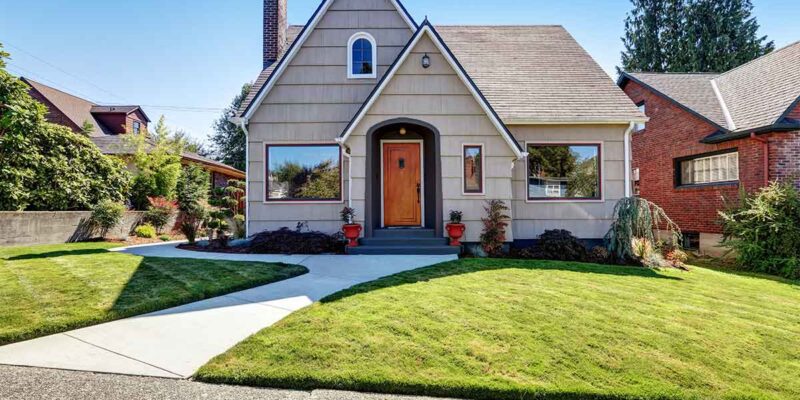
Home Prep for Maximum Sale Price

Looking to maximize your home’s sale value? Avoid costly upgrades and focus on simple, effective steps to attract buyers. Declutter, depersonalize, deep clean, and boost curb appeal effortlessly.

Most of us realize that your home should be as inviting and welcome potential buyers by making them feel comfortable.

“One of the most common mistakes that home sellers make is overlooking the simple and inexpensive steps in favor of costly upgrades” says agent Tev Brackin adding, “simply decluttering, depersonalizing, deep cleaning and curb appeal boosting lawncare will do more for resale value than just about anything you can do.”

Use this checklist to knock out the basic tasks to maximize your home’s value:

  1. Declutter every room in your house, the garage, the yard and any storage buildings.
  2. Depersonalize your home. Remove your personality so that potential buyers can visualize how their own personality will look in your house
  3. Deep clean. Think about hiring a pro – your realtor should have affordable options. Not only will they make your home sparkle, they’ll also often notice things that you may overlook.
  4. Amplify your curb appeal. Small and economical upgrades like a few cheerful flowerpots, fresh paint around the doorway, and trimming overgrown shrubs will make a big difference. Realtor Kali Blakley advises her clients to “Take a step back and add some color with potted plants – and you can take them with you after you sell.”

Of course, there are a few tasks that you may not have thought about that are absolutely worth your time:

  1. Wow buyers with inviting pictures that compel them to take a deeper look. Most buyers begin their search online. Be sure to declutter, depersonalize, deep clean and brighten your home before taking your online listing photos. Consider hiring a professional real estate photographer to maximize your appeal.
  2. Avoid surprises by conducting your own pre-listing inspection. A pre-listing inspection provides sellers with upfront information about the condition of their property, which gives them more control over repairs and potentially strengthens their negotiating position.
  3. Adjust the thermostat to make certain that your home is comfortable for potential buyers when showing the home.
  4. Make your home smell free. Taking out the garbage and recycling is obvious but removing candles and room fresheners is important too. Any smell can spoil a buyer’s opinion of your property. “Some sellers are shocked when I tell them a buyer thought that the candle scent was covering up a musky smell in the home.” Recalled agent Shelby Enyart.
  5. Avoid signs of your pets in the home. While we love our pets, dander, excess fur and messes in the yard can turn-off potential buyers.

The to-do list or home sellers may seem never ending. Use this list to help your home make a powerful impression, entice buyers, and compel maximum offers early in the process.

Invest in Hunting Land Like a Pro

Purchasing recreational land for hunting can be an excellent investment, offering both a retreat from urban life and a potential source of income. However, to make the most of this investment and avoid financial pitfalls, there are several crucial factors hunters should consider before making a purchase. Here’s a guide to help you navigate the process and ensure your investment is sound.

Understand Your Objectives

Define Your Purpose: Are you buying the land primarily for hunting, or are there other recreational activities you’re interested in, such as fishing, hiking, or camping? Clarifying your primary objectives will guide your decision-making process and help you prioritize the features you need in the land.

Investment Goals: Consider whether you view this purchase purely for personal use or as a financial investment. If it’s the latter, think about the potential for future appreciation, leasing opportunities, and other revenue streams.

Evaluate the Land’s Hunting Potential

Wildlife Habitat: Assess the quality and diversity of the habitat. Look for areas with ample food sources, water, and cover. Diverse habitats that support various species will enhance your hunting experience and the land’s value.

Game Species: Identify the types of game present on the land. Research local wildlife populations and hunting regulations to ensure the species you’re interested in are abundant and legally huntable.

Property Size and Layout: Larger properties generally support more wildlife and provide a better hunting experience. However, the layout is equally important. Look for natural funnels, water sources, and areas that offer good vantage points for hunting.

Identify Potential Off-Season Revenue-Generating Opportunities

Owning hunting land can offer several passive income-producing opportunities beyond hunting that don’t interfere with habitat management or hunting activity and may even help secure your land with year-round activity. For some this is a very attractive way to pursue a passion for the outdoors while offsetting costs associated with owning and maintaining large plots of land.

Conservation Programs: Enroll in government conservation programs that provide financial incentives for preserving wildlife habitats, wetlands, or other natural resources.

Agricultural Leasing: Lease portions of the land to local farmers for growing crops or grazing livestock. This can provide a steady income stream while keeping the land productive.

Timber Sales: If the land has a substantial volume of mature trees, they can be harvested and sold. Sustainable forestry practices can provide ongoing income while maintaining the health of the forest.

Fishing Leases: If the property includes ponds, lakes, or streams, consider leasing access to fishermen. Stocking the water bodies with fish can enhance this offering.

Short-Term Rentals: There are a host of apps ready to help you generate revenue by opening your land to visitors looking to park their RV, pitch a tent, treat themselves to a glamping experience, or have a family vacation in a cozy cabin. Short-term rentals may require a bit more effort but most apps make it easy to control when and how people use your land.

Solar or Wind Energy: If the location is suitable, lease parts of the land for solar panels or wind turbines. Renewable energy projects can provide long-term, passive income.

Legal and Zoning Considerations

Zoning Laws: Verify the zoning regulations for the property. Some areas may have restrictions on hunting or other recreational activities.

Access Rights: Ensure there is legal access to the property. If the land is landlocked, you may need to negotiate easements with neighboring property owners, which can be costly and complicated.

Conservation Easements: Check if the property is subject to any conservation easements. Are there any protected species or wetlands on the property? Familiarize yourself with any regulations or restrictions that may impact your ability to develop the land. While these can be beneficial in preserving the land, they may also restrict certain activities, including hunting and development.

Financial Considerations

Budget and Financing: Determine your budget, including not just the purchase price but also ongoing costs such as property taxes, maintenance, and improvements. Explore financing options and ensure you can comfortably meet the financial obligations.

Market Trends: Research current market trends in the area. Land values can fluctuate based on various factors, including economic conditions and changes in local regulations.

Income Potential: Consider potential income streams from the land, such as leasing it to other hunters, offering guided hunts, or timber sales. These can help offset the costs of ownership and even provide a profit.

Land Improvements and Management

Necessary Improvements: Assess what improvements may be needed to maximize the land’s hunting potential. This could include building access roads, creating food plots, or installing blinds and stands.

Land Management: Effective land management practices can enhance wildlife habitat and increase the land’s value. Consider hiring a professional land manager or wildlife biologist to develop and implement a management plan.

Environmental, Physical, & Infrastructure Factors

Water Sources: Presence of water bodies like ponds, streams, or lakes can significantly enhance the property’s attractiveness to wildlife and its overall value.

Soil Quality: Good soil quality is essential for maintaining healthy food plots and supporting diverse plant life. Conduct a soil test to understand its composition and fertility.

Topography and Accessibility: Consider the topography of the land. Steeper terrain can be challenging to navigate but may offer excellent vantage points for hunting. Ensure the property is accessible year-round, especially if it’s in a remote area.

Utilities and Infrastructure: When purchasing hunting land, utilities and infrastructure play a crucial role in ensuring the property meets your needs and can support your intended activities. This includes: Water, electric, gas, waste disposal, roads, communications, buildings and fencing. You’ll need to access what you need, what exists, and what improvements will need to be made for your intended uses. One often-overlooked resource is access to emergency services.

Consult Professionals

Real Estate Agent: Work with a real estate agent who specializes in recreational land. They can provide valuable insights and help you find properties that meet your criteria.

Legal Advisor: Consult with a legal advisor to ensure all contracts and agreements are in order and to understand the implications of any legal restrictions on the land.

Financial Advisor: A financial advisor can help you understand the long-term financial implications of your purchase and how it fits into your overall investment strategy.

Conclusion

Recreational land can be a fulfilling and worthwhile investment that rewards you and your family for generations. Purchasing recreational land for hunting is a significant investment that requires careful consideration and planning. By understanding your objectives, evaluating the land’s potential, considering legal and financial factors, and seeking professional advice, you can make a well-informed decision that maximizes your investment and provides years of enjoyment. Take the time to thoroughly research and evaluate each aspect of your potential purchase to safeguard against financial mistakes and ensure a successful investment.

Keys to Land Auction Success

Successful land auction buyers understand that strong pre-auction preparation is essential to buying land at auction. In this article, we’ll review keys such as pre-sale due diligence, bidding strategy, financing, auction communication and the process for closing on the purchase after the auction.


Auction Due Diligence

Because land offered at auction is sold ‘as-is’, it’s vital that you fully understand what you’re bidding on. Ensure that what you think you are bidding on matches what they’re selling by reviewing the documentation physically inspecting every parcel.

Review the auction terms and conditions. Most will include an ‘as is’ or ‘as is, where is’ clause. These are real estate term used to communicate that the property being sold is not subject to financing, inspections or any other contingencies – the property will be sold in its current condition (regardless of what the condition may be), and the seller won’t be making any repairs, updates, or remediation before closing.

Never assume. Land that’s been in one family for generations may have been split and parceled multiple times over the years. Often, current landowners are surprised to find that what they think they own is very different from what they actually own. It’s not uncommon for fence lines, legal descriptions, and actual survey boundaries to be different.

Confirm acreage amounts. Reputable auctioneers will provide documentation of how the acreage is determined – survey or legal description – in the sale documents. It’s vital that you know exactly what you’re bidding on. If you don’t see it, contact the auctioneer and request that information.

Know the asset. Online records and GIS mapping help you better understand the property beyond your visual inspection. County assessor’s website will show you the current assessed value, classification, zoning, water lines and tax records. GIS mapping systems such as Land ID, can give you a deep understanding of how the land flow and topography, multiple aerial imagery, approximate land boundaries, designated land use, aquifers, wetlands, FEMA zones, soil maps, city and county lines, school district boundaries, utility easements, transmission lines, conservation easements, oil well locations, railroads, opportunity zones, and more.

Avoid surprises. Buying ‘as is, where is’ also means that any non-real estate sitting on the land on sale day transfers with the land unless previously disclosed as part of the terms and conditions. That means that you could be responsible for removing any abandoned equipment, junk or other items sitting on the land. Review the auction terms and conditions to avoid unexpected hassles and expenses.

Without proper due diligence, you could end up paying for land without acquiring it, paying property taxes on land that you don’t own, or failing to leverage acreage you never knew you owned.


How to Value Land

The comparable sales approach to valuation works well for residential homes but this method falls short in determining the value of assets like land. Land is typically offered for sale at auction because the auction method delivers true market value for the seller. There’s no guessing at a listing price. No fear of setting the asking price too high or too low.

Every piece of land is unique. Savvy buyers know that they must determine the value of the land for them – rather than presume the value is universally accepted. Start by identifying your short and long-term goals land ownership goals. This will help you determine the type of land you need and shape your valuation. Consider the following:

  • What are the best uses of the land?
  • What improvements and structures are on the land?
  • How does the location, condition, utility access, transportation infrastructure, market velocity, and current zoning impact potential land uses?
  • Will the factors above eliminate some potential bidders? If so, how does that affect the value?
  • What will you use the land for?
  • What improvements and structures are needed for your uses?
  • Are there multiple uses for the land and which of these can produce income?
  • Are you planning to purchase the land as an investment? If so, what’s your turn-around timing?
  • What is your land exit strategy?

Understand Auction Bidding

Auctions can be as unique as the piece of land you’re bidding on. They can be held in-person, online, via telephone or a combination of all three. And there are a variety of sale methods that bidders must understand to bid with confidence.

Marketing materials should clearly outline when, where and how to bid. Request help from the auction team to ensure that you understand every aspect of the process. Be sure to reach out to the auction staff well in advance of the auction because once the bidding starts, the action is fast and intense.

Reserve or No-reserve Land Auctions

Land may be sold with or without reserve. Reserve refers to the minimum bid the seller is willing to accept.

Land sold without reserve will be sold to the highest bidder or bidders. These are also referred to as an ‘Absolute Auction’ or ‘No-Reserve Auction’. It is called an ‘Absolute Auction’ because the property will absolutely sell to the highest bidder.

The sale terms and conditions should disclose if a property is offered with a reserve. The actual amount of the reserve may or may not be disclosed.


Land is Sold by a Variety of Auction Sale Methods

Choice Auction:

Also known as ‘Buyer’s Choice By The Acre’, this traditional sale method is used when more than one land parcel is being offered at the same auction. Bids are made on a per-acre basis. It’s a straightforward, easy to understand, and fast sales process for bidders and sellers.

Bidding starts low. Bidders compete by raising the bid against each other until a high bidder emerges. The successful high bidder then chooses which parcel or parcels they want from a grouping of similar or like-kind properties. After the high bidder selects the parcel(s) they want, those parcel(s) are removed from the available parcels and bidding commences for the remaining parcel(s).

The high bid is multiplied by the number of acres to determine the sales price.  For example, if the high bid is $4,200 on a 100-acre parcel of land, the sales price is $420,000.

Multi-Par Auction:

This auction method establishes a price for each tract before the auctioneer starts the bidding. Bidders identify what parcel or parcels they want to purchase. Then large multi-parcel bidders compete with small individual parcel buyers. This process often takes several hours. Bidding ends once no new bid raises have been placed within a specified time frame. The property is sold to the tract combination(s) that produce the highest total sale price.

Dutch Auction:

Rarely used in land auctions, this is a sales method in which the price on an item is lowered until it gets a bid. The first bid made is the winning bid and results in a sale, assuming that the price is above the reserve price. This is in contrast to typical auctions, where the price increases with each bid placed.

Sealed Bid Auction:

This method involves setting a date that all offers must be submitted by. This period is typically less than 60-days. Sellers receive multiple offers that they can analyze and respond to resulting in the potential for post-offer negotiations.


Land Auction Bidding Strategy

Auction creates true market value – the property is sold for exactly what people are willing to pay for it. But, not every property is worth the price it’s bid up to. The energy and competitive energy that auctions generate can lead to impulsive decisions.

Bid Limit:

Set a firm budget and stick to it. If the bidding surpasses your bid limit, walk away. Avoid letting the excitement of the auction sway your judgment.

Bid Psychology:

It’s the auctioneers job to create competitive energy. Great auctioneers do more than manage the process; they work the crowd into a frenzy of competitive energy. Accordingly, savvy bidders are able to use that intensity to their favor.

Bid with Confidence:

If nobody else bids when the opening bid is announced, take the initiative and offer the minimum bid. Be patient. Wait for the competition to show themselves. When you do bid, be forceful with your voice and body language to announce that you mean business.

Bid Ruthlessly:

Once bidding starts, stay quiet. Gain a feel for the other bidder’s intensity and watch for others surveying the competition too. Entering your own bids will only increase the competition and may drive the price up.

Wait until you feel the competition is cooling off and only one bidder remains. Let the auctioneer say, “going once, going twice” before announcing your bid. Then forcefully announce your bid and, make the raise increment substantially higher than the last bid. This technique can demoralize or take your opponent by surprise and immediately end the bidding process.

Bid Unpredictably:

Avoid bidding in consistent, round numbers. It’s a small detail that wins more auctions. Always raising your bid in the same increment and stopping or hesitating your bid at a round number reveals your true intentions to your competitors.

Keep bids low by eroding their confidence. Raise your bid by different amounts each time. Mix up your bid increments so that your opponents can’t figure out your bid limit. Think about it, if you raise the bid by $1,000, then $500, then $100, and then $50, your opponents will bid more confidently knowing that your bid limit is near.

People love round numbers. Avoid that trap. Know your maximum, but don’t make it predictable. For example, if you decide that the property is worth $200,000, set your budget at $200,250 rather than a figure that is an even thousand. When a bidder stops bidding at a round number it’s a good indication that they’ve reached their limit.


Be Prepared on Auction Day

After performing your due diligence, evaluating the land, setting your budget and honing your bid strategy, you’re almost ready to place your auction bids.

Confident auction communication is your next critical element and that begins by understanding the auction process.

Plan to arrive early on sale day and register as soon as you arrive. Introduce yourself to the auction staff and ask questions. This signals that you’re a serious buyer and will result in you being able to gain the auctioneer or ringman’s attention when you need to.

You’ll likely receive a ‘sale-day information packet’ when you register. Carefully review it. This is where you’ll find last-minute changes or new property information. The auctioneer will likely read this information verbally into the record before the auction, then ask the crowd if there are any questions. Don’t be shy. Ask questions and clarify any discrepancies. Ensure that you know what you’re bidding on.

Once the auction begins, record the price per acre and total price of every parcel being sold. Typically, bidders will select the most valuable parcels first, and pay a higher price-per-acre for them. It’s common for parcels offered in the same auction to sell at very different prices per acre. Knowing which parcels are most valuable to you will help you avoid overpaying.

If you’re feeling confused during the auction, request clarification from the auctioneer. Auction companies understand that buying land is a major decision and want bidders to bid confidently. If at any time you need to ask a question, it’s absolutely okay to signal the ringman or ask the auctioneer directly. Be clear and forceful. Stand up if you need to. Be certain that your actions aren’t mistaken for a bid.


Closing on Your Land

Immediately after the auction, head over to the sale managers table to place your earnest funds and complete all contracts.

Once the purchase agreement is signed, be sure to note all contact info for any business partners, including accountants and attorneys, and retain your copy of the agreement.

Pay attention to the closing terms and conditions. Ag land that’s in production at the time of sale may have disclosures that allow the seller to stay in production until the crop is harvested.

For reserve auctions, the seller or seller representative will normally have up to 10 business days to confirm the sale. Closings are typically scheduled between 30 to 90 days after the auction.


ABOUT CJ AUCTIONS

CJ Auctions is the leader in real estate auction partnering with ranchers, landowners, trust attorney’s and investors throughout the central United States. Specializing in ranch, residential and commercial land transactions, the CJ Auctions provides comprehensive solutions and proven sales performance.

3 Secrets to Buying Exceptional Hunting Land

How to find and acquire prime hunting land for a lifetime of memories.

Picture it: a sprawling 160-acre tract of prime hunting habitat. A place where cherished memories with friends and family unfold over the years. Trophies adorning the walls, and the potential to create lasting family connections that bridge generations young and old. But before you take aim at purchasing hunting land, ask yourself: Are you fully prepared? What should you think about to make your vision a reality?

Meet Eric Johnson, a seasoned land expert with CJ Real Estate. He’s helped hundreds of people just like you find and develop amazing hunting property. Whether you’re after trophy whitetails or year-round sporting, Eric outlines 3 crucial factors to help you realize your dream.


1.      Build Relationships

Networking is vital when searching for your perfect parcel. Build relationships with area local landowners and the people that influence is key.

Most landowners want to know that the land they are selling will be taken care of. They’re often concerned that their neighbors will have a good new neighbor when they sell. When landowners know what kind of person you are, and that you’re interested in hunting acreage, you’re much more likely to know about land before it goes on the market.

Local game wardens are another invaluable resource. They are often intimately familiar with public and private lands. They are usually well known to local guides, landowner and business owners.

Not only can they help you find exactly what you’re looking for faster, they can help you properly develop your habitat and introduce you to local landowners that you may not have met.

2.      Hunt What You Know

If you’re lucky enough to lease or have permission to hunt a tract of great habitat already, look for adjacent property to buy. Chances are the landowner of your current tract will help you connect with neighboring landowners.

While that may sound obvious, the real benefit is buying land that you already know a lot about. The knowledge will save you time and money when it comes time to develop the land as you’ll already have a feel for wildlife populations and their patterns, hunting pressure, disease prevalence, predator populations, bad neighbors and many other things that must be evaluated before making a firm offer.

In the process you’ll make a solid financial investment while increasing your total huntable acreage.

3.      Share the Load

Purchasing hunting property with your friends can get a little messy but the pros outweigh the cons when properly organized. There is a lot of work to researching, buying and developing a productive hunting property. Why not share the load with people you trust?

Ask yourself these questions when buying land with partners:

  • Do you have similar goals, budgets and financial stability?
  • Do you have a shared vision for the property?
  • Do you have a clear plan if the situation changes for one or more partner?
  • Do you have a plan for how to share the land?

Buying and building a great hunting property requires patience. Diligently establish local relationships. Avoid rash decisions. Approach your land search pragmatically. When you’ve found some land, bring in experts. Let them help you fully evaluate the land to ensure that the parcel is a smart financial investment as well as a prime hunting tract. The build your dream retreat and enjoy it with friends and family for a lifetime.

10 Tips to Sell Inherited Property

Inheriting real estate can be both a blessing and a challenge. While it may add to your assets, the emotional, time and financial challenges can be daunting. Here is a guide to help you maneuver through the sale process efficiently and gain the most from your inheritance.

Step 1: Assess the Market and Minimize Repairs & Renovations

When sprucing up an inherited property, aim for minor cosmetic updates rather than extensive renovations. Consult with a real estate expert who can recommend the most impactful tasks. These professionals are adept at identifying which refurbishments enhance the house’s value and appeal without over-capitalizing.

Expert Insight: “A strategic investment of around $2,000 for basic clean-up and minor cosmetic enhancements can significantly transform the property’s appeal” advises real estate professional Eric Johnson, “maximum total return is usually achieved through basic repairs and clean-up versus the risks associated with major renovations.”

Step 2. High-Impact, Low-Effort Projects

Here are a few relatively simple and cost-effective improvements that can make a significant difference:

  • Enhance the curb appeal with meticulous landscaping, fresh mulch, and a vibrant paint job on the front door.
  • Replace old carpets and linoleum floors with contemporary vinyl wood flooring for a modern look.
  • Clear out-dated decor elements like window valances, faux plants, and furniture covers. Opting for a minimalist approach can make spaces appear larger and more inviting.
  • Apply a fresh coat of paint in light, neutral hues in the main living areas to create a clean and welcoming environment.

Step 3. Understand Capital Gains and Related Tax Implications

Upon inheriting a property, you’re exempt from taxes until it’s sold – this is when capital gains taxes come into play. These taxes are calculated on the basis of the property’s value at the time of the original owner’s passing and its value upon sale.

Tax Tips: If the property was valued at $250,000 at the time of inheritance and sells for $275,000 a few years later, capital gains taxes would apply to the $25,000 increase. However, by residing in the home for a predetermined period, you might qualify for additional tax exemptions.

Step 4. Home Sale Tax Exclusions

To benefit from a home sale tax exclusion, which allows a single filer to exclude up to $250,000 (or $500,000 for married couples filing jointly) of the gain, you generally need to have lived in the home as your primary residence for at least two out of the previous five years.

Step 5. Consult Tax Professionals and Attorneys

Since tax obligations can vary greatly, it’s wise to discuss your specific situation with a tax consultant and potentially an attorney, especially if the inherited property is located in a different state with unique tax laws.

Step 6. Declutter and Depersonalize

Before listing your property, take the time to declutter and depersonalize the space. Removing personal belongings and excess furniture can help potential buyers envision themselves in the home, increasing its market appeal.

Step 7. Consider Real Estate Auction vs Traditional Agent Listing

Selling at auction can be very appealing for those seeking a quick, hassle-free sale that brings true market value. It’s very common for inherited homes to be dated and have significant deferred maintenance making accurate appraisals difficult. And increases risk associated with inspections and contingencies.

A property sold at an auction isn’t tied to an appraisal, inspection, or mortgage. There also can’t be any conditions or contingencies from the bidder upon selling.

Auctions are also hassle-free because there’s no negotiating. Real estate auction removes the hassle of negotiating when you sell. No inspections or appraisals are required. And, closings as fast and typically surprise free.

Step 8. Market Effectively

Ensure that however you decide to sell your property, the auctioneer or listing agent utilizes multiple channels to market your inherited property. High-quality photos, virtual tours, and open houses can attract a broader audience and generate more interest.

Step 9. Know What’s Most Important to You

Choosing the right sale method for you, agent listing or real estate auction, depends on what’s most important to you.  For most people, this comes down to price, speed of sale and risk tolerance.

If you need to sell your property quickly, real estate auction may be best as you get to determine the exact day your property will sell. With an agent listing, you’ll have to wait for a buyer to make an offer and there’s no guarantee to how long that will take.

If you want to maximize the sale price, either sales method may work for you depending upon market conditions and how unique your property is.

Both methods offer means of managing risk tolerance. Reserves can be set for real estate auctions to ensure that property will only be sold at your minimum acceptable price. And agent listings can advertising lower and lower pricing over time to potentially speed up your sale.

Step 10. Be Prepared For Emotional Challenges

Selling an inherited home can be emotionally taxing. Prepare yourself for the emotional aspects of parting with a family home, and seek support from friends, family, or professionals if needed.

Wrapping Up

Selling an inherited property doesn’t have to be a stressful endeavor. By following these steps and enlisting the help of professionals where needed, you can ensure a smooth and efficient sale process. Remember, every inherited house is unique, and so is your relationship to it. Moving forward thoughtfully and strategically will help you honor that relationship while maximizing your benefits from the sale.

Habits of Successful Rural Land Investors

Rural land investing can be lucrative and risky. Going it alone can be challenging and highly risky. Successful investors know that it takes a little savvy to be successful in this highly competitive sector.

Land investment offers a myriad of opportunities for investors who are seeking long-term, low maintenance investments with the potential for solid returns.

KEY TAKEAWAYS

  • Land investing requires knowledge, talent, organization, networking, and perseverance.
  • Fully educating yourself is crucial and requires significant research and learning.
  • Understanding the risks and building a professional advisor network are vital.

Key to this success are certain habits and practices shared by successful rural land investors. Let’s delve deeper into these habits and how they contribute to success in this unique sector. Learn more is this 4-minute read.

They Always Consider Risk

We all see the warnings about the risks and potential losses when reviewing stock opportunities. But real estate investors often encounter a narrative of easy money. Smart investors recognize the risks and legal implications involved in real estate deals. They actively adapt their strategies to mitigate these risks and protect their businesses.

“Profit is made when you buy, not when you sell,” advised Eric Johnson becaue he feels that smart investing is all about “de-risking the investment up-front”.

Minimizing potential risks and uncertainties is crucial before committing substantial resources to a real estate project or investment. This strategy involves a comprehensive assessment and effective risk mitigation right from the early stages of the investment process. By adopting such an approach, you can ensure a more secure and successful investment journey.

They Do Their Homework

Effective real estate investors invest in themselves by learning all they can about area, people, market and potential outside risks. Staying informed about the latest trends,like local developments, new or expanding employers, potentail unemployment swings, and the like prepare you to adapt to evolving conditions. By doing so, you gain the ability to anticipate when trends might shift, thus creating potential opportunities for yourself. It all begins with diving into your local real estate market and learning everything you can about it. Real estate investor and rancher Max Franklin agrees: “If you don’t know the people and the area like the back of your hand, you don’t know it well enough to invest in.”

They Rely on a Network

Building a professional network is crucial for real estate investors, whether they are just starting out or experienced. This network can provide valuable support, create opportunities, and help investors grow. It typically consists of a mentor, business partners, clients, or members of a nonprofit organization. Being part of such a network allows investors to challenge and support each other, which is essential in the experiential learning nature of real estate investing. Savvy investors understand the significance of establishing a strong network to thrive in this field.

They Develop Trust

Real estate investors generally have no binding ethical obligations, but it’s worth noting that most successful investors hold themselves to high ethical standards. As real estate involves dealing with people and earning their trust, your reputation plays a vital role in negotiations and sales opportunities. Effective investors understand that fairness prevails over opportunism.

They Specialize

Successful investors frequently focus on a particular part of the real estate market where depth of knowledge is essential. This can take time, but once you master a particular market, you can move on to other areas using the same in-depth approach. Niches might include development land, farm or ranch land leasing opportunities, subdividing for home-building residential parcels, or farm & ranch rehabilitation.

They Plan and Verify

To establish and achieve short- and long-term goals in real estate investing, it is crucial for investors to approach it as business professionals. A solid starting point is developing a well-structured business plan that allows you to visualize the big picture and prioritize important aspects over minor setbacks. This plan not only keeps you organized and on track but also factors in estimated cash flows from rentals, the number of units to own, timing for refurbishment or upgrades, demographic changes, and other variables that could impact your investment over time. By incorporating these elements into your plan, you will navigate the complexities of real estate investing with confidence and efficiency.

They Build Relationships

Trust and the referrals that trust fuels are vital to investors success. People want ot do business with those they, or their friends, trust. Therefore, it is crucial to earn the respect of business partners, associates, clients, renters, and any other individuals with whom you have a business relationship. Effective real estate investors exhibit attention to detail, attentiveness to complaints and concerns, and maintain a positive and professional representation of their business. By doing so, they build a reputable image that attracts potential collaborators.

They Know What’s What

To thrive in land, or any type of real estate investing, you must stay informed about the ever-evolving laws, regulations, terminology, and trends. Falling behind not only hampers business progress but also exposes investors to potential legal consequences. Successful real estate investors understand the significance of keeping up with real estate, tax, and lending laws that directly or indirectly affect their operations. Stay ahead of the game by staying updated on these important aspects!

They Listen to Tax Advice

Taxes represent a substantial portion of a real estate investor’s annual expenses. However, navigating the complex world of tax laws can be time-consuming and divert attention from core business operations. That’s why savvy real estate investors opt to enlist the expertise of a qualified and reputable accountant to handle their financial books. While there may be costs associated with hiring an accountant, the potential savings and benefits they bring to the business far outweigh the expenses. Effective tax planning can make or break an investment. You must prioritize sound tax strategies alongside asset acquisition plans.

They Don’t Go It Alone

In leand investing, going solo can be a tough journey. Successful real estate investors understand the value of seeking guidance from others – be it a mentor, lawyer, or a supportive friend – and attribute part of their success to this collaborative approach. Rather than risking valuable time and money on tackling difficult problems alone, they recognize the benefits of embracing and learning from the expertise of others. Investing wisely in these additional costs becomes a worthwhile investment in one’s own knowledge and growth.

The Bottom Line

Land investing is fun, engaging and challenging endeavor requiring expertise, planning, and focus. And, because the business requires strong relationships with people, investors benefit in the long run by operating with integrity and showing respect to associates and clients. Though you may hear about quick and big profits, the truth is that profitable success long-term requires skill, effort, and strong habits that  encompass research, risk-taking, financial acumen, networking, visionary thinking, environmental consciousness, negotiation skills, and patience. By cultivating these habits, prospective investors can significantly increase their chances of profitable success in rural land investing.